
Business Operation · 2025
In this section22 topics
- Corporate Information4 items
- Dividend Policy2 items
- Major Shareholders3 items
- Business Strategies Overview5 items
- Material Changes & Developments2 items
- Use of Proceeds from Securities Offerings1 item
- Commitments Made in the Registration Statement1 item
- Group Operating-Structure Policy1 item
- Shareholders with Potential Conflict of Interest1 item
- Relationships Among Major Shareholders1 item
- Shareholders' Agreement1 item
- Shareholding Diagram (Group Structure)1 item
- Income Structure3 items
- Product / Service Characteristics2 items
- Research & Development5 items
- Assets Used in the Business6 items
- Marketing Policy & Competition4 items
- Procurement of Products & Services2 items
- Nature of Business — Overview1 item
- Projects Under Construction1 item
- Debentures & Bills of Exchange1 item
- Convertible Securities1 item
Corporate Information
Company Name
STAR MONEY PUBLIC COMPANY LIMITED
Telephone
06-1393-9988
Website
www.starmoney.co.th
info@starmoney.co.th
Dividend Policy
Dividend Policy
The Company and its subsidiaries have a policy to pay dividends to shareholders at a rate of not less than 40% of the net profit from the Company's separate financial statements, after deducting corporate income tax, legal reserves, and other reserves (if any). However, such dividend payments may be subject to change, depending on the operating results, business expansion, financial position, liquidity, and the necessity for working capital for operations, future investment and business expansion plans, market conditions, and other factors related to the Company's operations and management. This is subject to the condition that the Company must have sufficient cash for business operations, and such actions must generate the maximum benefit for shareholders as deemed appropriate by the Board of Directors and/or the Company's shareholders.
Resolutions of the Board of Directors approving dividend payments must be submitted for approval at the shareholders' meeting, unless it is an interim dividend payment, for which the Board of Directors has the authority to approve interim dividend payments and subsequently report to the shareholders' meeting at the next meeting.
This policy is reviewed annually. The latest review was conducted at the Board of Directors Meeting No. 4/2569 on November 13, 2568 (2025). The meeting concluded that the policy is appropriate and therefore no amendments were made to it.
Historical Dividend Payments
| This Year | Last Year | 2 Years Ago | 3 Years Ago | Metric | Description |
|---|---|---|---|---|---|
| 0.08 | 0.05 | 0.06 | 0.1 | Net profit per share (Baht : Share) | Net profit per share (baht : share) |
| 0.06 | 0.03 | 0.03 | 0.04 | Dividend per share (Baht : Share) | Dividend per share (baht : share) |
| 0 | 0 | 0 | 0 | Dividend stock ratio (Number of original shares: dividend shares) | Ratio of stock dividend payment (existing share : stock dividend) |
| 0 | 0 | 0 | 0 | Dividend share value per share (Baht : Share) | Value of stock dividend per share (baht : share) |
| 0.06 | 0.03 | 0.03 | 0.04 | Total dividend payment value (Baht : Share) | Total dividend payment (baht : share) |
| 75.21 | 65.24 | 53.44 | 54.22 | Dividend payout ratio to net profit (%) | Dividend payout ratio compared to net profit (%) |
Business Strategies Overview
Chairman's Message
Star Money Public Company Limited operates its business while adhering to its vision and mission to achieve sustainable growth in line with customer needs through products and services under the ideology: "We prioritize consumer benefits, committed to conducting business with dedication, honesty, and consideration for society and the public. 'Trustworthy and comfortable' comprises: 1) Operating with diligence and dedication to serve a large and widespread consumer base. 2) Conducting business with integrity, honesty, and fairness to be a brand consumers can trust. 3) Operating with a service-minded approach, responsible care, and prioritizing consumer benefits. 4) All businesses consider society and the public, and also aim to develop communities and the environment. 5) Operating as an establishment that creates jobs and income for people in the community and gives back to society, while also focusing on community and environmental development."
Economic Development
The company places great importance on developing diverse products and services with integrity, focusing on knowledge and understanding to promote financial stability and strong financial immunity for all customers. The company is also ready to design products and services that meet customer needs using appropriate technology and databases sustainably.
Social Development
The company places great importance on responsible operations to build trust in the community, such as organizing financial education activities or supporting local development projects to foster a sustainable organizational culture, emphasizing virtue and ethics to build trust from customers and society through projects like blood donation, financial design to emphasize frugality, promoting the organization's good deeds policy (Good People Project) UTCC TUTOR, the dream university 2025, and so on.
Environmental Development
The company places great importance on environmental conservation through various projects to lead to
Reduce paper usage with digital systems to help conserve resources (Waste Bank)
Support the use of green technology in the office, such as efficient energy consumption (Eco-friendly Product).
Promote environmental responsibility through CSR projects related to tree planting or waste management (SM Farm, Potted Vegetables
seedling exchange)
On behalf of the Board of Directors, we extend our gratitude to all stakeholders, including shareholders, customers, partners, business allies, and employees, for their continuous support and trust. The company is committed to fostering ongoing positive development by adopting information technology and ensuring the organization's sustainable future.
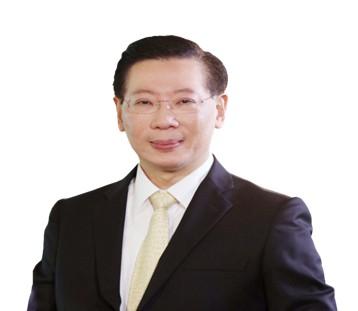
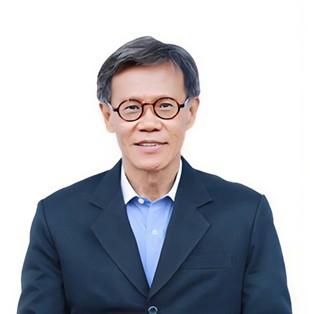
Dr. Visit Ongpipattanakul
Chairman of the Board
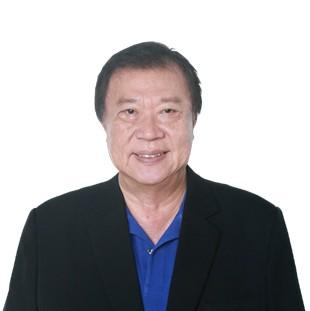
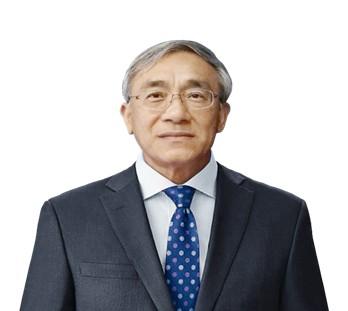
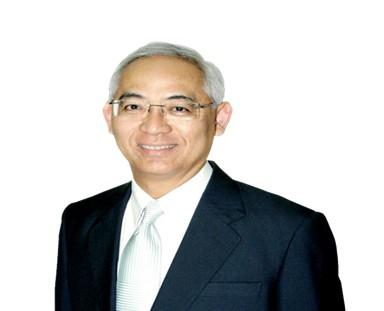
Board of Directors | |
| 1. Dr. Visit Ongpipattanakul Chairman of the Board / Audit Director / Independent Director |
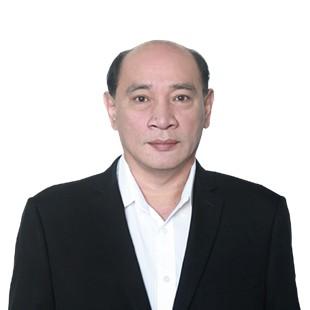
| 2. Mr. Vitit Lavansthien Vice Chairman of the Board / Chief Executive Officer |
| 3. Mr. Pinit Ngamsopee Chairman of the Audit Committee / Chairman of the Nomination and Remuneration Committee / Independent Director |
| 4. Mr. Senee Vacharasiritham Chairman of the Risk Management and Sustainability Committee / Nomination and Remuneration Director/Audit Committee Member / Independent Director |
| 5. Mr. Chusak Vivatwongkasem Director / Managing Director / Nomination and Remuneration Director / Risk Management and Sustainability Committee |
| 6. Mrs. Savitree Lavansathien Director / Executive Director / Nomination and Remuneration Director/ Senior Deputy Managing Director Credit Approval and Administration |
| 7. Mr. Surayut Lawansathien Director / Executive Director / Risk Management and Sustainability Committee / Deputy Managing Director Debt Collection Management |
| 8. Mr. Akeapop Lavansathien Director / Executive Director / Risk Management and Sustainability Committee / Deputy Managing Director Sales, Loan and Marketing Management Department |
| 9. Dr. Panukorn Chantaraprapab Director |



Vision
The Company is committed to being a leader in providing installment loans,
hire-purchase loans, and consumer loans, under the concept
to enable customers to have financial knowledge (Financial Literacy).
of strong financial resilience,
Objectives
The company aims for sustainability, profitability, and sustainable growth, prioritizing society, economy, and environment by defining
missions for its stakeholders as follows:
-
Promote financial literacy, financial stability, and strong financial resilience for all customers.
-
Emphasize governance, prudent risk management, and debt monitoring with good corporate governance principles.
-
Prioritize the design of products and services that meet customer needs, utilizing technology and databases.
-
Uphold an honest and transparent organizational culture to create sustainable value for customers, shareholders, employees, and society.
-
Commit to giving back to the communities where the company is located, by creating mutually beneficial and sustainable value.
Goals
The Company sets the following business operational goals:
The Company sets its business operational goals for the next four years, between 2026-2029, by developing and expanding new and diverse financial credit products, as well as extending branches to cover service areas in key provinces across the country.
The Company aims to carefully oversee risk management and utilize its successful business model in the Eastern region as a prototype for its operations.
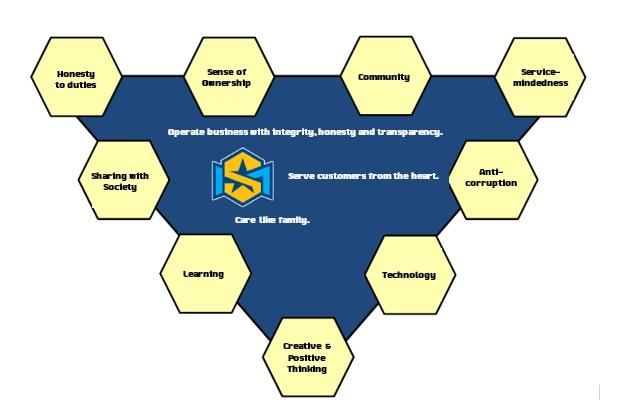
Organizational Culture
Conduct business with integrity and transparency, serve customers wholeheartedly, provide family-like care
Organizational Values
Loyalty to duty, sense of ownership, harmony and unity
Service-minded, anti-corruption, technologically advanced, creatively thoughtful
Committed to learning, sharing with society
Business Strategies
The company has established a business strategy to drive business growth and organizational growth, with plans to expand its business in the areas of lending and product sales as follows:
Focus on the growth of product sales and leasing, including secured loans such as cars, motorcycles, and land and buildings, and unsecured loans such as personal loans and professional loans.
Expand the insurance brokerage business to increase revenue and expand the loan customer base.
Develop channels and help others through online channels, social commerce/e-commerce/online platforms.
Maintain existing customer base through CRM strategies to build brand loyalty.
Expand new sales channels, new markets, and new customer groups through new partner and business partners.
Analyzing existing financial service customers to increase sales and build long-term customer relationships.
Focus on providing non-life insurance brokerage services and expanding the insurance customer base.
Regularly organize sales promotion campaigns to clear inventory.
Increasing sales channels for electrical appliances and loans through online platforms.
Select partners and alliances with new networks, with the goal of acquiring new customers.
Developing a platform to create new access networks.
Details of the business operational capabilities are presented under the heading "Management's Discussion and Analysis," and in 2025, the Company will implement various actions in accordance with strategic objectives.
Material Changes & Developments
Introduction
The company's history and significant developments regarding changes in the nature of its business operations, and fundamental company information can be summarized as follows:
Material Changes & Developments
| Year | Description |
|---|---|
| 2,025 |
|
| 2,024 |
|
| 2,023 |
|
| 2,022 |
|
| 2,021 |
|
| 2,020 |
|
| 2,019 |
|
| 2,018 |
|
| 2,017 |
|
| 2,016 |
|
Use of Proceeds from Securities Offerings
Is There Money Raised from a Securities Offering Still to Report On?
No
Commitments Made in the Registration Statement
Are There Commitments or Conditions from an Offering or Listing?
No
Group Operating-Structure Policy
Description
The Company has no subsidiaries or associated companies. Four family groups (all from the same family) and Thanathiwat Co., Ltd. (a company owned by the aforementioned four family groups) are direct shareholders of the Company.
Income Structure
Product / Service Income
| Category | Description | This Year | This Year % | Last Year | Last Year % | 2 Years Ago | 2 Years Ago % |
|---|---|---|---|---|---|---|---|
| Total revenue from operations | Total revenue from operations | 1,507,938 | 100 | 1,545,059 | 100 | 1,379,854 | 100 |
| Revenue from Sales | 843,169 | 55.92 | 847,607 | 54.86 | 773,883 | 56.08 | |
| Interest income from lending | 456,996 | 30.31 | 508,636 | 32.92 | 455,351 | 33 | |
| Interest income from hire-purchase agreements | 151,808 | 10.06 | 127,301 | 8.24 | 84,563 | 6.13 | |
| Fee and service income | 16,056 | 1.06 | 16,855 | 1.09 | 16,757 | 1.22 | |
| Other Income | 39,909 | 2.65 | 44,660 | 2.89 | 49,300 | 3.57 | |
| Other | Other | 0 | 0 | 0 | 0 | 0 | 0 |
Export Income
| Category | Description | This Year | This Year % | Last Year | Last Year % | 2 Years Ago | 2 Years Ago % |
|---|---|---|---|---|---|---|---|
| Total revenue | Total revenue from operations | 1,507,938 | 100 | 1,545,059 | 100 | 1,379,854 | 100 |
| Domestic | Domestic | 1,507,938 | 100 | 1,545,059 | 100 | 1,379,854 | 100 |
| International | International | 0 | 0 | 0 | 0 | 0 | 0 |
| Thailand | Thailand | 0 | 0 | 0 | 0 | 0 | 0 |
| Other countries | Other countries | 0 | 0 | 0 | 0 | 0 | 0 |
Other Income
| Operating Other Income | Non-Operating Other Income | Share of Profit |
|---|---|---|
| 1710 · As of year: 39909.0 · Description: Total other income · As of yesteryear: 44660.0 · As of year before yesteryear: 49300.0 · 1711 · As of year: 39283.0 · Description: Other income from operations · As of yesteryear: 44257.0 · As of year before yesteryear: 48459.0 | 1712 · As of year: 626.0 · Description: Other income not from operations · As of yesteryear: 403.0 · As of year before yesteryear: 841.0 | 1713 · As of year: 0.0 · Description: Share of profit · As of yesteryear: 0.0 · As of year before yesteryear: 0.0 |
Product / Service Characteristics
Business Type
3115
Business Groups
| Business Group | Description | ||||||||||||||||||||||||||||||||||||||||||||
|---|---|---|---|---|---|---|---|---|---|---|---|---|---|---|---|---|---|---|---|---|---|---|---|---|---|---|---|---|---|---|---|---|---|---|---|---|---|---|---|---|---|---|---|---|---|
| 1. Business of selling electrical appliances, mobile phones, computers, and new motorcycles, through cash and hire purchase . | The company operates a retail business selling home and commercial electrical appliances such as televisions, refrigerators, washing machines, air conditioners, freezers, mobile phones, computers, motorcycles, and other equipment under the shop "Star Money". The company is a major distributor ("dealer") in Eastern Thailand for leading Thai and international brands of electrical appliances, including Samsung, Panasonic, and Haier. Currently, the company offers over 9 product categories, including various leading brands of mobile phone, computers, and motorcycles. The company carefully selects high-quality products at reasonable prices that are popular in the market to meet the needs of customers in Rayong, Chanthaburi, Trat, Chonburi, Chachoengsao, Prachinburi, and Sa Kaeo provinces. Details of each product sales model as follows: 1. Cash sales for individual customers require customers to pay for goods in cash immediately on the transaction date. For corporate customers, this involves selling products in large quantities or as part of a project. The company will provide a payment period (credit term) not exceeding 45 days. The company will consider the legal entity's existence, income, and the customer's financial documents for sales purposes, such as copies of. Company certificate, copy of the ID card of the legal entity's director, commercial registration, income statement, copy of the director's house registration, and project map (in case the customer is a condominium project), etc. 2. Installment sales (hire purchase agreement) involve the company offering installment payment terms to customers by preparing a hire purchase agreement, which will specify the conditions, the amount to be paid in each installment, the installment period, and the interest rate. This depends on the payment ability of each customer and each product type. The sales officer will consider the customer's existence, income, and payment history for existing customers to support the approval process. Terms and Conditions of the Hire Purchase Agreement (Product Fact Sheet)
Customer Characteristics and Target Customer Groups for Product Sales Business The Company's current and target customer groups are mostly general individuals. The Company focuses on customers in the same area or near its operating branches, with low to moderate incomes, both regular and irregular. This group of customers is interested in quality products, value for money, convenience, and diverse payment options suitable for their financial capabilities. | ||||||||||||||||||||||||||||||||||||||||||||
| 2. Lending Business | The Company operates a lending business. The Company received a license to operate personal loans under supervision on August 30, 2019. The Company's loans can be divided into 5 types based on the type of collateral, namely:
| ||||||||||||||||||||||||||||||||||||||||||||
| 3. Related Business: Non-life Insurance Brokerage | On June 5, 2019, the Company received authorization from the Office of Insurance Commission ( OIC .) and commenced non-life insurance brokerage business as an additional service for loan customers, through the same branch channels as loan disbursement services. by being appointed as a non-life insurance broker from various reputable insurance companies, to allow customers to compare information according to their desired coverage. As of December 31, 2025, the Company acts as a non-life insurance broker for insurance companies. Risk a total of 13 companies. All The insurance products that the Company distributes are as follows: 1. Motor Insurance 1.1 Compulsory Motor Insurance (CTPL) (Cars, Motorcycles) 1.2 Voluntary Motor Insurance (Cars, Motorcycles) 2. Fire Insurance 3. Transit Insurance 3.1 Domestic Cargo Transit Insurance 4. Miscellaneous Insurance 4.1 Health Insurance 4.2 Personal Accident Insurance 4.3 Credit Line Protection Insurance 4.4 Accident Insurance for Credit Line Coverage 4.5 Third-Party Liability Insurance 4.6 Property All Risks Insurance 4.7 Extended Warranty Insurance for Electrical Appliances 4.8 Carrier's Liability Insurance |
Research & Development
Has R&D Policy (Y/N)
No
R&D Cost — Label
Research and development (R&D) expenses over the past 3 years (Million Baht)
R&D Cost — This Year
0.0
R&D Cost — Last Year
0.0
R&D Cost — 2 Years Ago
0.0
Assets Used in the Business
Permanent Assets — Description
Leasehold improvements and equipment and depreciation
Leasehold improvements and equipment are stated at cost less accumulated depreciation and allowance for loss on impairment (if any).
Depreciation of leasehold improvements and equipment is calculated by reference to their costs on a straight-line basis over the following estimated useful lives:
Leasehold improvements 1 - 20 years
Motor vehicles, furniture and fixtures and office equipment 2 - 5 years
Depreciation is included in determining income. No depreciation is provided on assets under construction and installation.
Leasehold improvements and equipment are derecognised upon disposal or when no future economic benefits are expected from their use or disposal. Any gain or loss arising on disposal of an asset is recognised in profit or loss when the assets are derecognised.
Unit: Million Baht
Item | Net Book Value As at 2023 | Net Book Value As at 2024 | Net Book Value As at 2025 | Ownership Rights | Obligations |
Leasehold improvements | 44.53 | 45.15 | 45.28 | Company | No obligations. |
Office equipment | 42.63 | 41.87 | 45.46 | ||
Furniture and fixtures | 43.72 | 41.09 | 41.14 | ||
Motor Vehicles | 25.28 | 25.31 | 26.05 | ||
Assets under construction and installation | 0.00 | 0.06 | 0.00 | ||
Less: Accumulated depreciation | (113.10) | (120.09) | (130.54) | ||
Leasehold improvements and equipment-Net | 43.06 | 33.39 | 27.39 |
Right-of-use assets
Right-of-use assets are measured at cost, less accumulated depreciation, any accumulated impairment losses, and adjusted for any remeasurement of lease liabilities. The cost of right-of-use assets includes the amount of lease liabilities initially recognised, initial direct costs incurred, and lease payments made at or before the commencement date of the lease and an estimate of costs to dismantle and remove the underlying asset or to restore the underlying asset or the site on which it is located less any lease incentives received.
Depreciation of right-of-use assets are calculated by reference to their costs on the straight-line basis over the shorter of their estimated useful lives and the lease term.
Leashold improvements and equipments 1 - 10 years
Motor vehicles 3 and 4 years
If ownership of the leased asset is transferred to the Company at the end of the lease term or the cost reflects the exercise of a purchase option, depreciation is calculated using the estimated useful life of the asset.
Permanent Assets — Appraisal
| Asset | Ownership | Obligation | Appraisal Value | Description |
|---|---|---|---|---|
| Main office, parking lot and 3 business support branches. | Leasehold Rights | No obligations | 7.2 | Business support branches include the New Logistics Warehouse Branch, Auction Yard Branch, and Registration Center Branch. |
| Main Branch Office Building | Leasehold Rights | No obligations | 47.91 | |
| Minor Office Branch Office Building | Leasehold Rights | No obligations | 11.65 | |
| Express branches | Leasehold Rights | No obligations | 3.67 | |
| Branch cars | Hire-purchase | No obligations | 2.09 | |
| Data storage server | Leasehold Rights | No obligations | 0.05 |
Intangible Assets — Description
The Company initially recognised intangible assets at cost. Following the initial recognition, the intangible assets are carried at cost less accumulated amortisation and accumulated impairment losses (if any).
The Company amortised intangible assets with finite lives on a straight-line basis over their economic useful life and tested for impairment whenever there is an indication that the intangible asset may be impaired. The amortisation period and the amortisation method of such intangible assets are reviewed at least at each financial year end. The amortisation expense is recognised as expenses in profit or loss.
The intangible assets of the Company are computer software that have useful lives of approximately 10 years.
Intangible Assets — Appraisal
| Asset | Type | Type (if Other) | Appraisal Value |
|---|---|---|---|
| Computer Software | Software | 6.65 | |
| Computer software in development | Software | 5.92 | |
| Lease building rights | Others | Contractual Rights | 0.02 |
Has Subsidiaries Investment Policy (Y/N)
Yes
Subsidiaries Investment Policy — Description
The Board of Directors has a policy to oversee the operations of subsidiaries and associates to ensure compliance with the business conduct guidelines, as well as continuous adherence to regulations, objectives, and business strategies, and to continuously monitor the performance of subsidiaries and associates.
Investment Policy
The Company has a policy to invest in companies that align with the group's goals, vision, and strategic growth plan, which will lead to increased performance or profits for the Company, or to invest in businesses that provide synergy to the Company to enhance its competitiveness and enable it to achieve its goal of becoming a leading operator in its core businesses. The Company, its subsidiaries, and/or associates may consider investing in other businesses if they have growth potential, can be expanded, or are beneficial to the group's businesses, thereby generating good returns on investment. In considering investments by the Company, its subsidiaries, and/or associates, the Company will conduct a feasibility analysis of the investment and assess its potential and risk factors, following appropriate investment analysis procedures, which must receive approval from the Board of Directors' meeting or the Company's shareholders' meeting (as the case may be). Furthermore, the approval for investments in such subsidiaries and/or associates must comply with the relevant announcements of the Capital Market Supervisory Board and the Stock Exchange of Thailand.
Operational Supervision Policy
The Company establishes a policy for the supervision and management of its subsidiaries and associates with the objective of defining direct and indirect measures and mechanisms to enable the Company to supervise and manage the operations of its subsidiaries and associates, ensuring compliance with the established measures and mechanisms as if they were units of the Company itself, and in accordance with the Company's policies, including public company laws, civil and commercial codes, securities laws, and other related laws, as well as announcements, regulations, and criteria related to the Capital Market Supervisory Board, the Securities and Exchange Commission, and the Stock Exchange of Thailand. This is to protect the Company's investment interests in such subsidiaries and associates, with details as follows:
-
The Company will appoint individuals representing the Company to serve as directors, executives, or controlling persons in each subsidiary and/or associate, proportionate to the shareholding in each company. By sending representatives of the Company to serve as directors, executives, or
The controlling persons in each subsidiary and/or associate must be considered and approved by the Board of Directors.
-
It is stipulated that the individuals representing the Company, as per item 1), are responsible for overseeing that the subsidiaries and/or associates operate in compliance with laws, good corporate governance policies, other policies of that company, and in alignment with the parent company's policies. In cases where a subsidiary or associate has other co-investors, the individuals representing the Company must perform their duties to the best of their ability for the benefit of the Company.
-
The Company ensures that its subsidiaries and/or associates have adequate and robust internal control systems and conduct various transactions in compliance with relevant laws and regulations.
-
The Company ensures that its subsidiaries and/or associates disclose their financial position and operating results to the Company, and must closely monitor the performance of the subsidiaries and/or associates, presenting analysis results, opinions, or recommendations to the Board of Directors and the boards of those subsidiaries or associates for consideration in policy formulation, aiming to improve and promote the sustainable development and growth of the businesses of the subsidiaries and/or associates.
-
The Company ensures that its subsidiaries and/or associates have a duty to disclose related party transactions, acquisition or disposal of assets, other significant transactions, capital increases, capital reductions, dissolution of subsidiaries or associates, etc.
Marketing Policy & Competition
Introduction
In 2025, the company implemented marketing policies to align with the evolving business environment and consumer behavior, focusing on maintaining competitiveness and effectively reaching target customer groups.
Reporting Mode
3117
Marketing Policy (Overall)
Key marketing policies for products or services in the past year.
In 2025, the Company has set its marketing policy to focus on reaching customer groups in branch areas, as well as customer groups with limited access to funding sources from general financial institutions. This involves offering products and services that appropriately meet consumer needs and enhance financial liquidity, tailored to the potential of each customer.
The Company operates its business under the principle of responsible lending, prioritizing the customer's ability to repay. It employs a meticulous, transparent, and fair loan consideration process, clearly disclosing terms, interest rates, fees, and various obligations to enable customers to make fully informed decisions.
The Company utilizes its branch network as the primary service channel, coupled with local marketing activities and online communication, to appropriately enhance brand awareness, maintain long-term customer relationships, and prevent misunderstandings.
Currently, the Company is in the process of technology development to enhance online sales and loan channels, which will be operational from next year onwards. The Company conducts its business within the framework of the Code of Conduct and Code of Ethics.
In terms of consumer protection, the Company prioritizes customer care throughout the service process, from pre-contract, during the contract term, and post-service. There are easily accessible channels for receiving complaints, and a system for tracking and resolving complaints fairly and within a reasonable timeframe.
Furthermore, the Company supports business operations within the framework of sustainable development (ESG) by aiming to create economic value alongside caring for society and communities. This is achieved through providing financial literacy and resilience, expanding financial opportunities responsibly, and establishing branches in areas near communities to facilitate residents in those branch areas.
Business Operating Strategies
The Company has established key strategies to support sustainable growth, as follows:
Focus on growing sales of products and hire-purchase loans, as well as secured loans such as car loans, motorcycle loans, and land and building loans, and unsecured loans such as personal loans and occupational loans.
Expand non-life insurance brokerage business to increase revenue streams and leverage the loan customer base.
Develop sales and loan channels through online platforms including Social Commerce/E-Commerce / Online Platforms.
Retain existing customer base through CRM strategies to build brand loyalty.
Expand new sales channels, new markets, and new customer groups through new partnerships and business collaborations.
Credit Risk Management and Debt Collection
The Company emphasizes credit quality screening by establishing stringent consideration criteria, covering the assessment of collateral, income, job security, and payment history, along with setting appropriate approval authority frameworks.
Regarding debt collection, the Company has a pre-due date notification system, systematically plans debt collection, and engages external experts for collecting from non-performing debtors, strictly adhering to the law and the Debt Collection Act B.E. 2558.
Customer characteristics and target customer groups for product sales and loan businesses.
The Company's current and target customer groups who require essential products for daily life, work, and household use, as well as loans for professional endeavors and general spending. These are mostly individuals. The Company focuses on customers located in the same area or near the operating branches, including those with regular and irregular incomes. There are also plans to expand product sales and loan services through online channels to various areas next year, including corporate customers in the transportation business that utilize trucks in their operations.
Overall economic situation in Thailand
From the forecast of the Thai economy in 2026, is projected to grow below 2% for the first time in 30 years, excluding crisis periods, amidst various challenges.
Thailand is expected to have the lowest growth in the region, due to the following factors:
Existing structural vulnerabilities, including the aging population, declining birth rates, high household debt, and the large size of the informal economy.
Fundamental educational problems, which affect the development of capabilities and competitive potential.
Fiscal budget constraints due to relatively high public debt.
Challenges for the public sector with numerous regulations and disconnected data.
Impacts from natural events and disasters in the previous year.
Stronger Thai Baht affecting exports and tourism.
Cybercrime, movement of illicit funds
Risks from delayed budget preparation processes due to political uncertainty.
Uncertainty of the global economy in 2026, increased by geopolitical factors.
Conflicts and risks of war, which will impact the economy, politics, society, trade, and the supply chain of goods production.
Impacts on increased Thai economic uncertainty, stemming from From U.S. trade tax measures
The JCC aims for the post-election government to continue the approach of restructuring the Thai economy.
through bringing the economy into the formal system and sustainably resolving debt issues, which will boost purchasing power.
Increase entrepreneurial potential, reduce business obstacles that will support new investments and strengthen supply chains.
Elevate anti-corruption and illegal activities efforts to create Trust & Confidence and reduce hidden costs in doing business.
collaborate according to the approach " Reinvent Thailand" to address weaknesses in reducing domestic challenges and strengthen advantages for Thailand's sustainable growth.
Industry & Competition (Overall)
Business Competition
Lending Business
The lending business, particularly car title loans, continues to grow steadily and faces relatively high competition. This is because it is a secured loan that can be easily converted into cash compared to other types of collateral, and it offers attractive returns to operators. As a result, numerous operators have entered this market. The competitive structure of the car title loan business can be divided into two main groups: financial institutions (Banks) and non-financial institutions (Non-Banks).
Financial institutions (Bank)
Most operators in this group are regulated by financial institutions or are subsidiaries of commercial banks. They benefit from lower financial costs, strong capital bases, and nationwide branch networks, which enhance customer access and payment collection efficiency. The target customers for operators in this group are typically those with stable incomes, clear financial documentation, and good financial histories. Key operators include:
Krungsri Auto (Car4: Bank of Ayudhya)
ttb DRIVE: TMBThanachart Bank
TISCO Bank (TISCO Auto Cash): including its sub-brand "Somwang Ngern Sang Dai".
Kasikornbank (K-Car to Cash): focuses on services via K PLUS.
Siam Commercial Bank (My Car My Cash): focuses on services via SCB Easy.
Kiatnakin Phatra Bank (KKP Car Quick Cash)
CIMB Thai Bank (CIMB Thai Auto)
Land and Houses Bank (LH Bank Auto Cash)
Krungthai Business Leasing (KTBL): a subsidiary of Krungthai Bank.
The fundamental advantage of the banking group is significantly lower "financial costs" compared to other operator groups, due to direct access to funding from deposits. This enables them to pursue pricing strategies with attractive interest rates below the legal ceiling to attract premium customers with good financial histories and clear stable incomes. Currently, banks have overcome past limitations regarding delays by fully embracing Digital Transformation, utilizing the parent bank's Big Data to analyze financial behavior and offer "personalized" loans via mobile applications, leading to near-instant approvals for customers with existing records. Furthermore, banks have begun building comprehensive ecosystems, such as linking loans with insurance services and car service centers, to foster long-term customer relationships. However, a limitation of this group remains the strict customer screening criteria set by the Bank of Thailand, which may not cover self-employed customers or those with unstable incomes who lack clear financial documentation.
Operators in this group have branch networks ranging from hundreds to thousands nationwide, as well as digital channels such as Mobile Banking and online platforms, which facilitate customer access and convenient installment payment collection services. The customer base for operators in this group typically consists of individuals with stable incomes, clear financial documentation, and good financial histories.
Non-financial institutions (Non-Bank)
Operators in this group serve a diverse customer base, including both those with stable and unstable incomes, as well as groups unable to access funding from financial institutions due to a lack of clear financial documentation. Loan considerations focus on assessing collateral, repayment ability, and local information, involving on-site verification of customer data and employing a strategy of expanding branches into communities to build good relationships with customers and community leaders. However, operators in this group may face limitations in terms of financial costs and capital potential.
Currently, the government, particularly the Ministry of Finance and the Bank of Thailand, has intensified its regulation of personal loan businesses, including secured loans. This has resulted in increased restrictions for new entrants into the market. The secured loan industry remains highly competitive, especially in the car title loan segment, which is a core product for many large operators with nationwide branch networks and access to funding sources at competitive costs.
The core of Non-bank success is not about price, but about "speed and connecting with people," especially among underbanked customers such as merchants, freelancers, or farmers. Operators in this group possess high expertise in risk assessment using alternative data and and leveraging local relationships for lending decisions. A prominent strategy in this era is transforming branches scattered across every community into comprehensive financial service points, emphasizing flexible processes and approvals completed within minutes at the counter. Furthermore, Non-bank groups are leaders in creating "revolving credit" innovations, such as car title cash cards, which allow customers 24-hour access to funds via ATMs nationwide, better addressing emergency spending habits than banks. For regional players like Star Money, a key advantage is superior "local insight" compared to central operations, enabling effective management of non-performing loans and close customer care amidst economic fluctuations. Despite higher financial costs than banks, the high yield and greater agility allow Non-bank groups to maintain a strong hold on the grassroots car title loan market.
Key operators include:
Muangthai Capital Public Company Limited has 8,069 branches, covering all regions, offering various types of secured loans.
Srisawad Corporation Public Company Limited has over 6,000 branches nationwide.
Auto X Company Limited (Brand "Ngern Chaiyo"): has approximately 2,013 branches.
Ngern Tid Lor Public Company Limited has 1,832 branches.
Sacksiam Leasing Public Company Limited has 1,079 branches.
Heng Leasing and Capital Public Company Limited has more than 1,000 branches.
Ngern Turbo Public Company Limited has more than 1,000 branches.
Star Money Public Company Limited has 95 branches.
Most major operators provide loans secured by automobiles, motorcycles, agricultural vehicles, and commercial vehicles, while some also offer loan products secured by land and housing.
The Company operates as a Non-Bank entity, primarily focusing on serving customers in the Eastern region. It faces competition from significant operators, both listed and unlisted on the stock exchange, who have expanded their branches into the same area. The Company offers secured loans covering automobiles, motorcycles, agricultural vehicles, commercial vehicles, and land and housing, as well as unsecured loans such as personal loans and nano-finance loans.
Electrical Appliance Retail Business
The electrical appliance retail business has no restrictions on new operators entering the market, making it easy for new competitors to capture market share. Therefore, it is considered a highly competitive and intense business, influenced by rapidly changing consumer behavior and current technological advancements, which may lead to new distribution channels such as online sales through platforms like Lazada and Shopee. However, the majority of customers in the electrical appliance retail business, especially for large and relatively high-priced items, still desire to directly test performance and inspect product quality to build confidence before making each purchase decision. To cater to this customer group, operators must build brand loyalty, increase product variety, establish branches covering target customer areas, and provide after-sales services, among other things. Operators can be divided into three groups:
1. Modern Trade Operators
Operators in the Modern Trade group offer a diverse range of products, not limited solely to electrical appliances. Within the electrical appliance category, they primarily focus on small to medium-sized items, sold mainly through cash or credit card installment payments. Operators in this group include:
Ek-Chai Distribution System Company Limited, which has a total of 2,276 branches, comprising 226 hypermarkets, 194 supermarkets, and 1,856 Go Fresh stores.
Berli Jucker Public Company Limited (Big C Group) has a total of 1,946 branches in Thailand, primarily driven by Big C Mini and Big C Hypermarket.
Home Product Center Public Company Limited has 105 branches.
Operators in this group have branch networks covering all regions of the country, benefiting from economies of scale, bargaining power with suppliers, and the ability to conduct aggressive sales promotion activities. This results in high price competition. Meanwhile, the Company has 2 branches located in shopping malls, concentrated in the Eastern region, and thus focuses on a strategy of customer proximity and localized services to create differentiation.
2. Specialty electrical appliance businesses
Operators in this group focus specifically on customers who wish to purchase electrical appliances. Their electrical appliance products offer a wider variety than those in the Modern Trade group, such as commercial freezers, and feature a broader range of electrical appliance brands, as some brands are not sold in department stores, e.g., Mazuma, Skyworth, and Media. Additionally, these operators target customers who want to pay for products in installments but cannot access credit card installment services. They provide additional installment services by offering hire-purchase loans for electrical appliances. Examples of operators in this group include:
Singer Thailand Public Company Limited has 300 branches and over 7,000 sub-branches, covering all regions.
Central Retail Corporation Public Company Limited has 111 branches.
Siam chai Service Company Limited has a total of over 600 branches.
Star Money Public Company Limited has 95 branches.
The Best One Electric City Company Limited has 4 branches
The strength of this group lies in offering installment sales services, including hire-purchase loans for customers who cannot access credit cards, which is a crucial factor in expanding the customer base in provincial areas. Competition in the Specialty group therefore emphasizes branch networks, lending capabilities, and debtor quality risk management simultaneously. For the Company, all branches in the Eastern region collectively focus on a strategy of customer proximity and localized services to create differentiation.
3. E-Commerce Operators
The Company recognizes the changes in the business environment and consumer behavior in the digital era, which have made product sales through e-commerce systems and online marketplaces crucial for business operations. Therefore, the Company has established a policy for selling electrical appliances through these channels to increase market opportunities, reach customers comprehensively, and enhance sustainable competitiveness.
The Company's E-Commerce operations are founded on transparency, fairness, and responsibility towards all stakeholders. It adheres to the Code of Conduct and Code of Ethics as a crucial guideline in pricing, marketing communications, product information presentation, and providing services to customers accurately, fairly, and without exploiting consumers.
The Company places importance on treating trade competitors appropriately within the framework of free and fair competition. It mandates that directors, executives, and employees at all levels comply with relevant laws and good competition principles, not seeking or using confidential information of trade competitors through dishonest means, not engaging in any actions that damage competitors' reputations, and not participating in agreements or behaviors that constitute monopolies or restrict market competition.
The Company believes that operating its sales policy through E-Commerce under principles of ethics, responsibility, and fair competition will build trust among customers, partners, and society as a whole. Furthermore, it serves as a crucial foundation for developing the business to grow stably, transparently, and sustainably in the long term.
Competition in the Installment Loan Market (Mobile Phones)
The installment loan business, particularly for mobile phones, faces competition from various operators, including specialized loan providers and mobile phone retailers that offer direct installment payments to customers, such as TG Fone Company Limited, U Friend Company Limited, SG Capital Public Company Limited, and Star Money Public Company Limited, among others.
The company's strength is providing loan services with easily accessible application conditions for salaried and unsalaried customers. Unsalaried customers can apply without needing a credit card or salary slip. Furthermore, promotional campaigns such as instalment plans with low down payments help the company reach a wider range of retail and irregular-income customers.
However, some operators have an advantage due to large retail store networks, the development of digital channels through applications, and more comprehensive after-sales services, which intensify market competition. Therefore, the Company continuously strives to develop products and services to retain its customer base and enhance its long-term competitive potential.
Overview of Competition in Product Sales Business
The industry is highly competitive in terms of pricing, distribution channels, and payment methods. Large operators benefit from economies of scale and extensive branch networks, while regional operators can compete through close customer relationships, flexible lending, and understanding of local markets.
Therefore, the Company focuses on strategies for managing its branch network in the Eastern region, building long-term customer relationships, and prudently developing its hire-purchase loan system to maintain sustainable competitiveness.
In 2025, the electrical appliance , mobile phone and computers retail business continues to face high competition from modern retailers, specialized operators, and online trading platforms, with intense competition in pricing, installment payment terms, and the application of digital technology to enhance customer reach.
The Company acknowledges the risks arising from such competition, which may impact market share and the ability to retain the customer base. Therefore, the Company has established risk management guidelines through close monitoring of competitive situations, regular analysis of market data and consumer behavior, as well as adjusting strategies for pricing, products, and service channels to suit the context of each area.
Furthermore, the Company continues to emphasize its strengths in local branch networks, accessible services, building long-term customer relationships, and developing personnel capabilities to foster sustainable competitive differentiation. All these operations are conducted within the framework of good corporate governance and systematic risk management to maintain competitiveness and stable long-term growth.
In addition to direct competitive risks, the Company also recognizes emerging risks from digital technological changes (Digital Disruption), which may impact business models, consumer behavior, and the competitive structure of the industry, particularly the expansion of e-commerce platforms, FinTech, and highly agile digital loan providers that can rapidly offer products. To address these risks, the Company has established guidelines for closely monitoring technological developments and relevant regulations, as well as developing flexible internal systems and processes to support the application of technology in service delivery, such as developing online communication channels, using data for customer behavior analysis, and enhancing data security standards.
The Company aims to strike a balance between technological adaptation and maintaining its strengths in branch networks and community proximity, in order to support sustainable growth and mitigate potential impacts from long-term structural changes in the industry.
Regulation of Trade Competition and Business Ethics
The Company operates its business within the framework of Code of Conduct and Code of Ethics in Business Operations (Code of Conduct and Code of Ethics) by adhering to principles of fair competition, not seeking confidential information of competitors improperly, and not engaging in any actions that damage the reputation of trade competitors.
In 2025, the Company has no disputes with trade competitors and has not entered into any agreements that constitute monopolies or reduce market competition.
Procurement of Products & Services
Reporting Mode
3117
Procurement (Overall)
The company prioritizes systematic, fair, transparent, and auditable oversight of the procurement process for goods for sale, in line with good corporate governance principles, details of which are specified in Business Code of Conduct and Ethics ( Code of Conduct and Code of Ethics)
Part 1: Business Ethics and Code of Conduct in various aspects
1.5 Procurement, Sourcing, and Treatment of Partners
The procurement process must have auditable, transparent, fair, and maximally beneficial steps for the company. The company has already prepared a Procedure Manual on the goods procurement system.
Company employees must procure goods and services considering needs, value for money, price, and quality. Information must be provided to traders equally, accurately, without concealment, bias, or discrimination against partners.
When contacting partners, the contact person must retain negotiation documents, draft contracts, executed contracts, and compliance records as evidence for the period required by law.
Not to solicit, accept, or offer any dishonest benefits in trade with business partners.
Strictly adhere to contractual terms. If it is found that the contract cannot be fulfilled, or if a partner cannot fulfill the contract, or for any other reason preventing contract fulfillment, report to the supervisor immediately for consultation and to seek further solutions.
With clearly defined operational procedures covering everything from product demand planning, vendor sourcing and selection, order approval, product delivery monitoring, to vendor evaluation, to support efficient business operations, risk control, and build confidence for stakeholders throughout the supply chain.
Furthermore, the company has integrated the concept of environmentally friendly procurement (Green Procurement) into its purchasing processes to support efficient resource utilization, reduce environmental impact, and promote sustainable business operations in line with ESG principles. The company will procure products directly from brand owners and/or official distributors of each brand, which are leading companies with standards and ISO 14001 certification. The company's product sourcing is 100% from domestic vendors, following these steps:
The purchasing department systematically analyzes and calculates inventory levels for each branch, considering 90-day historical sales data, appropriate inventory levels, and the specific characteristics of each product type. This determines sufficient reorder points suitable for market demand and supplier trade terms. This process enables the company to manage inventory efficiently, reduce risks from excess inventory, minimize resource waste, and support effective operations. Once appropriate quantities and purchasing terms are determined, the purchasing department prepares purchase requisitions through the company's purchasing system and submits them for approval according to the defined authority framework, ensuring procurement adheres to sound internal control principles.
2. Process for sourcing, selecting, comparing prices, and approving vendors.
The company establishes fair, transparent, and auditable processes for vendor sourcing and selection, considering product quality, reliability, delivery capability, trade terms, and long-term business cooperation. For new vendors, the purchasing department collects information, quotations, and relevant legal documents for comparison and suitability assessment before submitting them to the accounting and finance department to verify completeness, accuracy, and financial stability. They are then presented to authorized approvers in sequence. This is to manage procurement risks, prevent conflicts of interest, and ensure transparency in the procurement process. For existing vendors, the company uses historical purchasing and pricing data in the system as a basis for consideration, along with requiring price comparisons where feasible, to ensure purchasing decisions are appropriate, cost-effective, and aligned with company policy.
3. Process for ordering and approval.
The company categorizes product orders into two types: regular orders and urgent orders. In all cases, approval must be obtained according to the company's defined authority framework.
4. Process for monitoring product delivery.
The purchasing department regularly monitors the status of outstanding deliveries and coordinates with suppliers to ensure deliveries comply with agreed-upon terms. In the event of delivery delays, the company will prepare written explanations and retain them as evidence.
The company clearly defines guidelines for managing overdue purchase orders, considering cancellation or appropriate product modification at the discretion of management, to ensure continuous business operations, reduce sales impact, and maintain customer confidence.
5. Process for vendor evaluation.
The company has a policy to regularly evaluate vendor performance based on vendor type and importance level, aiming to elevate product and service quality standards and strengthen the supply chain. Evaluation results are reported to relevant line managers. If a vendor fails to meet the specified criteria, the company will implement measures to notify them of the results, recommend improvement guidelines, continuously monitor corrective actions, and consider reducing or terminating the business relationship if improvements cannot be made, in order to protect the interests of the company and its stakeholders.
Promoting Environmentally Friendly Procurement (Green Procurement)
The company promotes the procurement of environmentally friendly products and services by integrating Green Procurement principles into its purchasing processes and vendor management. This helps reduce environmental impact throughout the supply chain. Operational guidelines include considering products with energy-saving features, using recyclable materials, or having environmental certifications; encouraging vendors to comply with environmental laws and regulations; and utilizing electronic document systems, purchasing appropriate quantities, and reducing waste from the procurement process. These actions reflect the company's commitment to operating its business responsibly towards society and the environment, alongside fostering long-term sustainable business growth. Previously, the company procured low-carbon A4 paper for organizational use.
Linkage with Good Corporate Governance Principles (CGR)
The company's procurement and vendor management processes reflect operations in accordance with good corporate governance principles, emphasizing transparency, accountability, checks and balances, risk management, and consideration of environmental and social impacts throughout the supply chain. This forms a crucial foundation for sustainable growth and long-term value creation for all stakeholders.
Promoting the capability and capacity for sustainable business operations with partners.
The company prioritizes responsible supply chain management, aiming to promote and develop the capabilities of its partners to conduct business efficiently, transparently, and with consideration for economic, social, and environmental impacts. The company believes that sustainable organizational growth requires long-term cooperation and development alongside its partners.
Policies and practices for enhancing partner capabilities.
The company has established guidelines for partner management under its procurement and vendor evaluation processes, integrating good corporate governance principles and ESG concepts into every operational step, covering key practices such as:
Partner selection considering product quality, reliability, delivery capability, and environmental and social responsibility.
Promoting partner compliance with relevant laws, labor standards, safety, and environmental requirements.
Supporting the concept Green Procurement By prioritizing partners who utilize resources efficiently, reduce waste, and have approaches to minimize environmental impact.
Regularly evaluating partner performance and providing recommendations for continuous improvement and development.
This approach enables the company to build strong, transparent, and sustainable business relationships with its partners.
Plans and activities for developing and enhancing partners.
The company implements systematic plans to enhance partner capabilities, focusing on developing partners in key areas aligned with the organization's business direction and sustainability, including:
Performance evaluation and feedback.
The company regularly conducts vendor evaluations and uses the evaluation results as a tool to provide feedback and improvement guidelines to partners.
Promoting environmental development
Supporting partners in improving production or service processes to be more efficient, reducing energy consumption, minimizing waste, and opting for environmentally friendly materials or packaging.
Building long-term business partnerships.
The company promotes collaboration with partners in a business partnership model, providing opportunities for joint planning, sales promotion activities, and sustainable product development to meet market demands.
Monitoring and developing partners who do not meet the criteria.
In cases where a partner fails the evaluation, the company will notify them of the results and provide a period for improvement, continuously monitoring progress to help enhance the partner's capabilities instead of immediately terminating the business relationship.
Performance results in partner capability enhancement
Qualitative performance results.
Partners have a better understanding of the company's standards and requirements, particularly regarding product quality, on-time delivery, and environmental responsibility.
Collaboration between the company and its partners has emerged to improve products and work processes in line with market demands and sustainability approaches.
Business relationships are continuous and stable, leading to more efficient supply chain management.
Quantitative performance results
Key partners receive Performance evaluation Percent 100 According to the defined plan.
Partners who meet the specified evaluation criteria. More than 70 percent
Partners who fail the evaluation are informed of the results and improvement plans. All parties and has Monitoring corrective actions within the specified timeframe.
Linkage with Sustainable Business Operations (ESG)
Promoting the capability and capacity for sustainable business operations with partners is a crucial part of the company's supply chain management. This helps reduce operational risks, enhance competitiveness, and support the long-term sustainable growth of both the company and its partners, aligning concretely with ESG principles and good corporate governance. In the environmental dimension, it connects to the sale of products and services; in the social dimension, it connects to customers and society; and in the governance dimension, it connects to management oversight, internal audit, and human resources.
Warehouse Management
By 2025, the company will have one central warehouse located at the new Rayong Bus Terminal and 47 branch warehouses, totalling 48 warehouses. In 2026, there are plans to expand the warehouse network to the remaining branches to ensure comprehensive coverage and meet customer demand throughout the Eastern region. Currently, inventory management involves checking nearby branch warehouses if stock runs out and transferring goods between branches to improve inventory efficiency. The company conducts monthly inventory counts of both central and branch warehouses by warehouse and accounting staff to verify actual stock levels against system records. Furthermore, the company has implemented security measures for its warehouses to prevent potential damage. The details are as follows:
Provide security personnel and/or staff for both central and branch warehouses 24 hours a day.
Install CCTV cameras (providing coverage of all areas 24 hours a day).
Implement a warehouse access control system with locks, assigning keys and access rights exclusively to personnel stationed at the warehouse.
Arrange for insurance coverage for goods in the warehouse.
Nature of Business — Overview
Introduction
The company's core businesses can be divided into two categories:
(1) Product sales business
types of household and commercial electrical appliances such as televisions, refrigerators, washing machines, air conditioners, freezers, mobile phones, computers, motorcycles, and other equipment, both in cash sales and installment sales formats, structured as hire-purchase agreements. Products are sold through "Star Money" stores in Rayong, Chanthaburi, Chonburi, and Prachinburi provinces, as well as through E-Marketplace platforms.
(2) Various types of loan businesses
These include: (1) regulated personal loans with vehicle registration as collateral; (2) regulated personal loans without vehicle registration as collateral; (3) secured loans such as vehicle registration, land, and buildings. The collateral for loans includes motorcycle registration books, passenger car registration books (up to 7 seats), commercial vehicle registration books (such as pickup trucks, passenger vans, trucks, etc.), as well as land title deeds with buildings. Operating under the slogan "Trustworthy, Peace of Mind," loans are disbursed through the company's branch channels, covering both the Eastern region and key provinces in the Northeastern region. The company is authorized to operate personal loan businesses under the supervision of the Bank of Thailand (BOT). Additionally, the company provides other related services, such as acting as a non-life insurance broker, as well as offering mandatory motor insurance (Motor Vehicle Accident Victims Protection Act) and annual vehicle tax renewal services, among others.
Distribution Channels
The company has 92 product distribution channels through its branches, divided into 16 main branches, 68 sub-branches, and 8 Express branches, distributed across the Eastern region, including 26 branches in Rayong, 12 in Chanthaburi, 31 in Chonburi, 2 in Trat, 9 in Chachoengsao, 7 in Prachinburi, and 3 in Sa Kaeo. Branches have also expanded to the Northeastern region, with 1 branch in Udon Thani and 1 branch in Nakhon Ratchasima. The characteristics of each branch type are summarized as follows:
Main branches : Provides both cash and installment sales of electrical appliances with a dedicated branch warehouse, as well as loan services. Each branch has 10 - 20 permanent staff members (depending on the branch size) and is divided into 2 formats as follows:
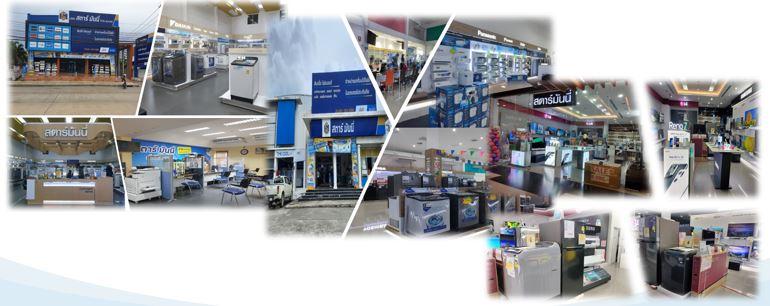
1) Standalone commercial building branches named Star Money. These commercial building branches are located in potential communities. Operating days are Monday-Saturday, from 8:30 AM to 5:30 PM. Branch area is approximately 400-1,500 square meters, used as a display area for sample products and to facilitate customers in experiencing actual products to aid their purchasing decisions.
2) Branches located within department stores (Non Standalone) 2 branches Store name: Star Money Branch characteristics: Located within department stores, with the objective of providing convenience for customers to view products and receive services. Operating days Operates daily from 10:30 AM to 8:30 PM.
Branch area: approximately 200 square meters
Express branches : Provides services similar to the main branches, offering both cash and installment sales of electrical appliances, as well as loan services. However, these branches are smaller in size. Each branch has approximately 5 – 7 staff members and is a standalone commercial building ( Standalone) Store name: Star Money Branch characteristics: Commercial building located in a potential community. Operating days are Thursday-Tuesday, from 9:00 AM to 6:00 PM. Area is approximately 300-1,100 square meters, used as a display area for sample products and facilitate customers to experience actual products to aid purchasing decisions.
Sub-branches : Provides both cash and installment sales of electrical appliances, as well as loan services. However, these branches are smaller in size. Each branch has approximately 2 – 3 staff members.
Online Channels: The company plans to expand its product distribution and loan offerings through online channels starting in 2026, including social commerce, e-commerce, and digital platforms.
Branch example image
|
The company utilizes online channels for product sales promotion, including various promotions, through the company's Website, Facebook, and Line, to inform consumers about news and promotions related to the company's products and services. It also serves as a channel for interested parties to inquire about the company's products and services. However, the purchase of products and/or receipt of services from the company must be conducted at the company's service branches.
B The company has experimented with selling certain product types through Shopee's E-Marketplace platform. Sales from this channel are still not significant compared to sales through branches. If positive feedback is received, the company may consider increasing the variety of products offered through this channel.
Projects Under Construction
Has Projects Under Construction (Y/N)
No
Debentures & Bills of Exchange
Has Debentures (Y/N)
No
Convertible Securities
Has Convertible Securities (Y/N)
No